Solutions for Failing Sewer Pipes
Sewer Line Replacement in Corpus Christi, TX
Discuss replacement options for a sewer line that keeps failing. Get a Free Estimate
Solutions for Failing Sewer Pipes
Discuss replacement options for a sewer line that keeps failing. Get a Free Estimate
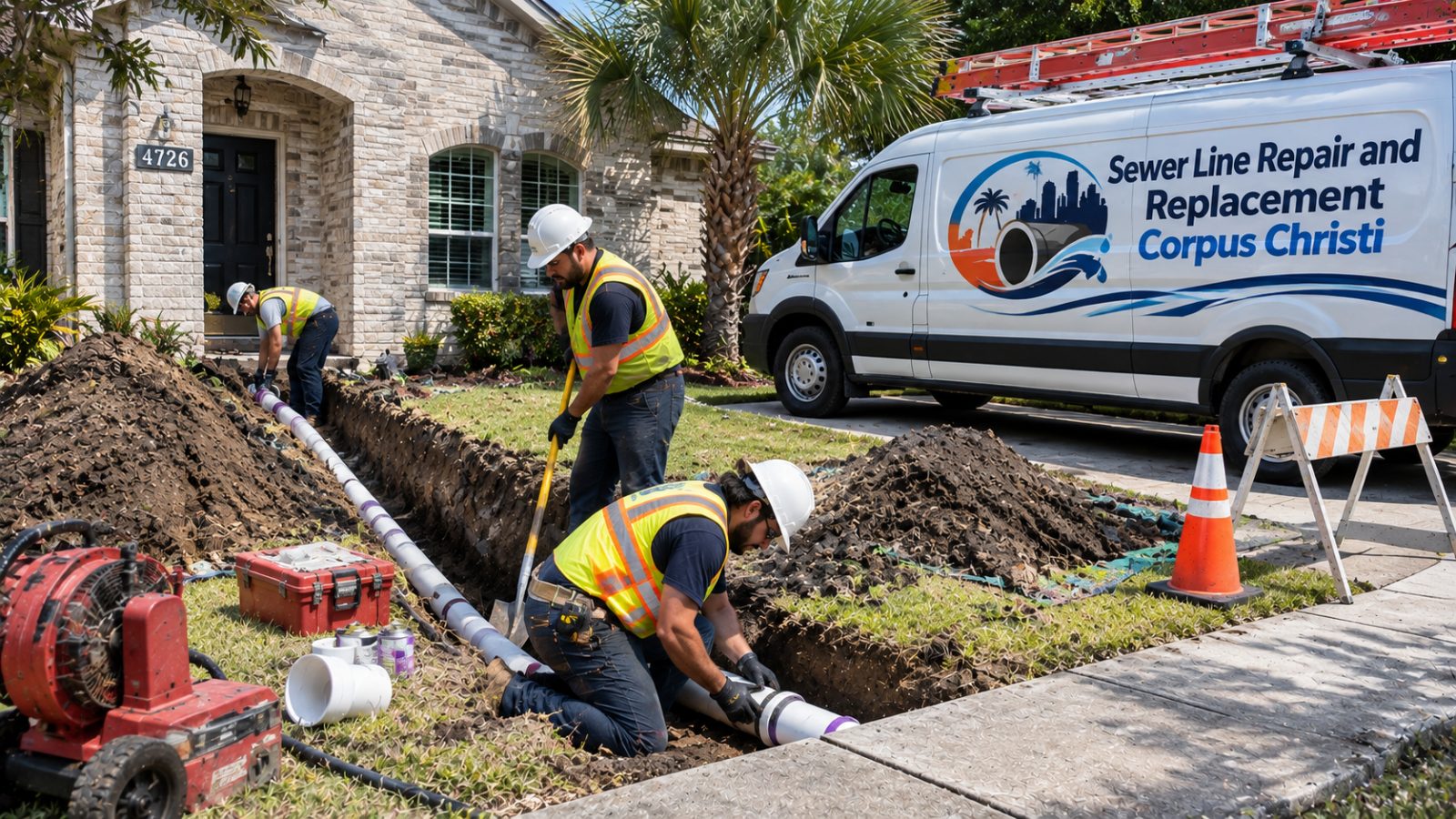
Some sewer pipes reach a point where repeated repairs are no longer the most practical approach. Widespread cracking, severe deterioration, multiple collapsed sections, or continuing structural problems can make replacement worth considering. A properly planned replacement addresses the failing line rather than treating one symptom at a time.
We help Corpus Christi property owners understand when replacement may be appropriate, what sections of pipe are involved, and how underground access affects the work. The goal is to choose a solution based on the actual condition of the sewer system.
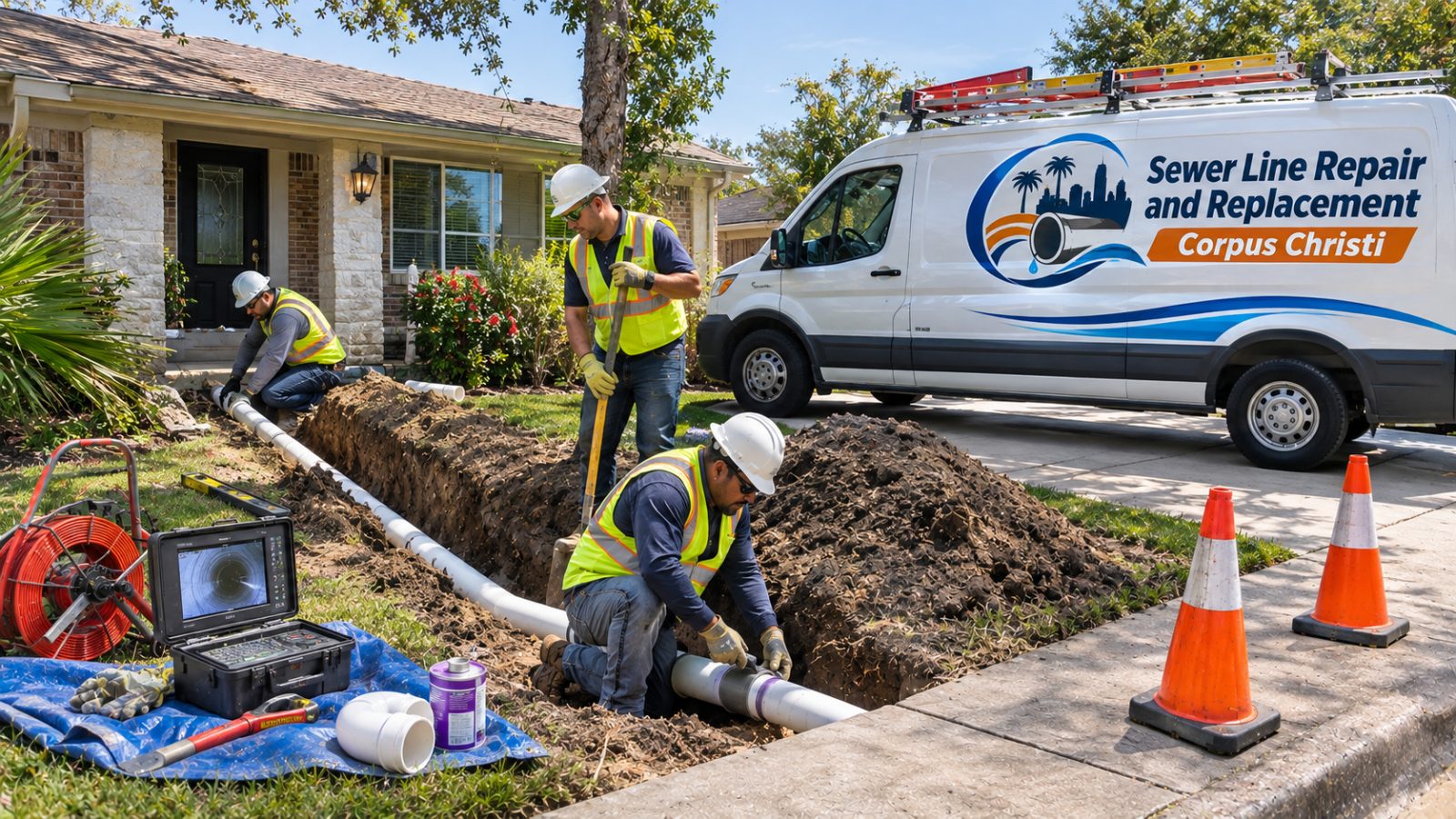
Replacing an underground sewer pipe involves more than removing an old line. Pipe routing, slope, connections, material selection, and property conditions all affect the project.
A complete replacement may be considered when damage extends through much of the existing pipe. Severe deterioration, repeated failures, or widespread structural defects can make isolated repairs less useful over time. The work involves evaluating the existing route, determining appropriate access, and installing a replacement line with suitable connections and drainage slope.
When damage is limited to one portion of the sewer system, replacing that section may be a practical alternative to replacing the entire line. The surrounding pipe must be evaluated to determine whether it can remain in service. A partial replacement may address a collapsed segment, badly separated joint, or section with severe root damage while preserving usable portions of the line.
Older properties may have sewer lines made from clay, cast iron, or other materials that have experienced years of underground wear. Pipe age alone does not prove replacement is necessary, but the condition of the material can influence the decision. Inspection findings help determine whether the line has isolated defects or more extensive deterioration that supports replacement.
Wastewater needs an appropriate pipe slope to move through a gravity sewer line. Improper grading, settlement, or inadequate support can contribute to recurring drainage problems. Replacement planning should account for pipe alignment, suitable bedding, and connections. These details are especially important where ground movement has affected the original installation.
Sewer lines often run beneath established parts of a property. Replacement may require work near sidewalks, driveways, trees, fences, or other improvements. The route and depth of the line influence how much access is needed. Where site and pipe conditions allow, trenchless replacement may be considered. Conventional excavation remains necessary for some projects, especially where grade correction or extensive structural damage is involved.
| Service | Estimated Cost | Average |
|---|
Pricing is not published. Replacement planning depends on line length, depth, pipe condition, access, connections, and required site work.
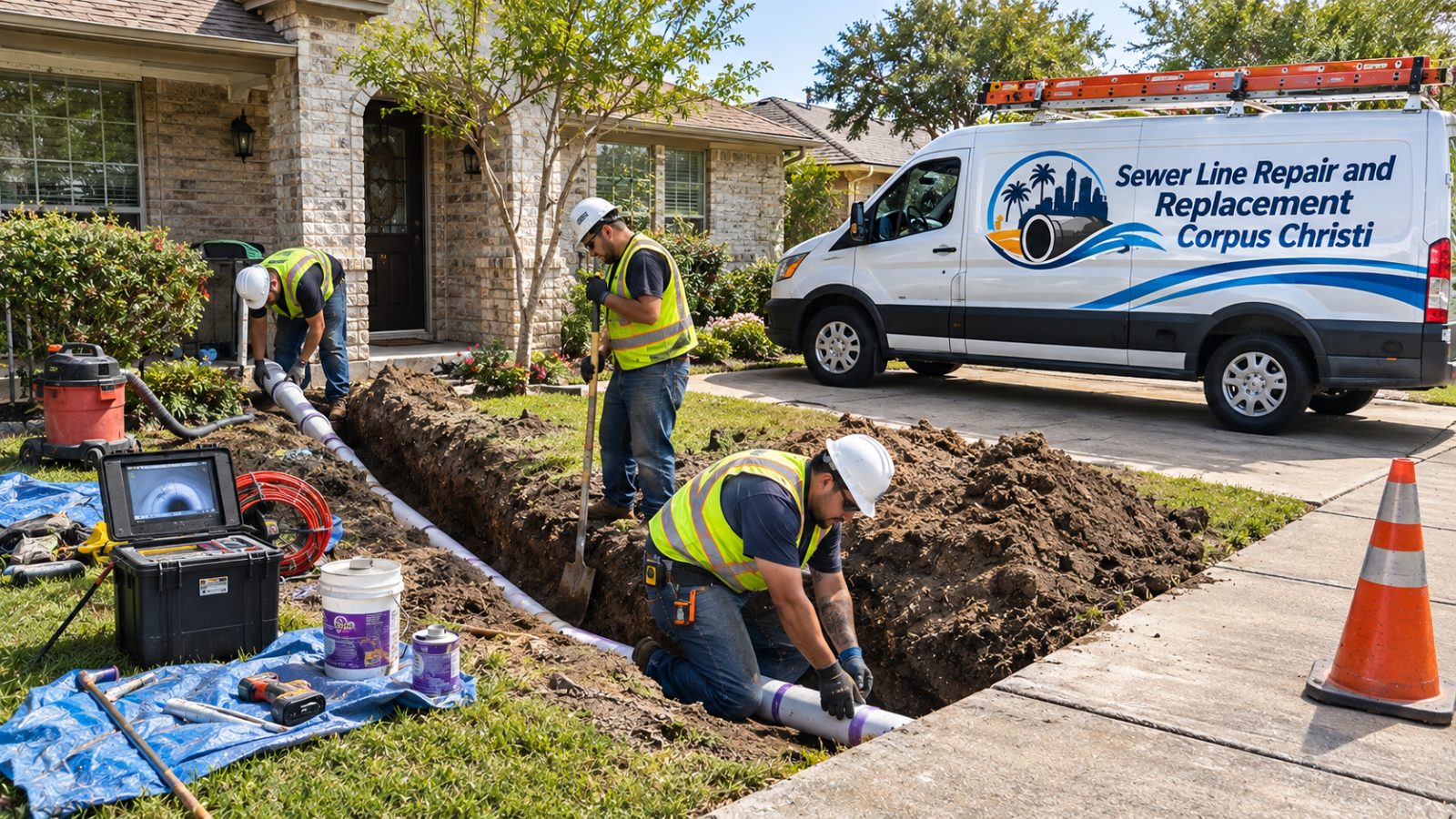
We consider whether replacement is necessary or whether usable sections of the existing line can remain.
Pipe grade, bedding, alignment, and connection points are important parts of replacement planning.
We explain the proposed replacement area and the property features that may be affected.
If your sewer line has repeated structural failures, request a replacement assessment.
Free — no obligations
Review symptoms, available inspection findings, and the condition of the existing pipe.
Determine which pipe sections need replacement and which may remain usable.
Consider excavation requirements, underground utilities, and possible trenchless methods.
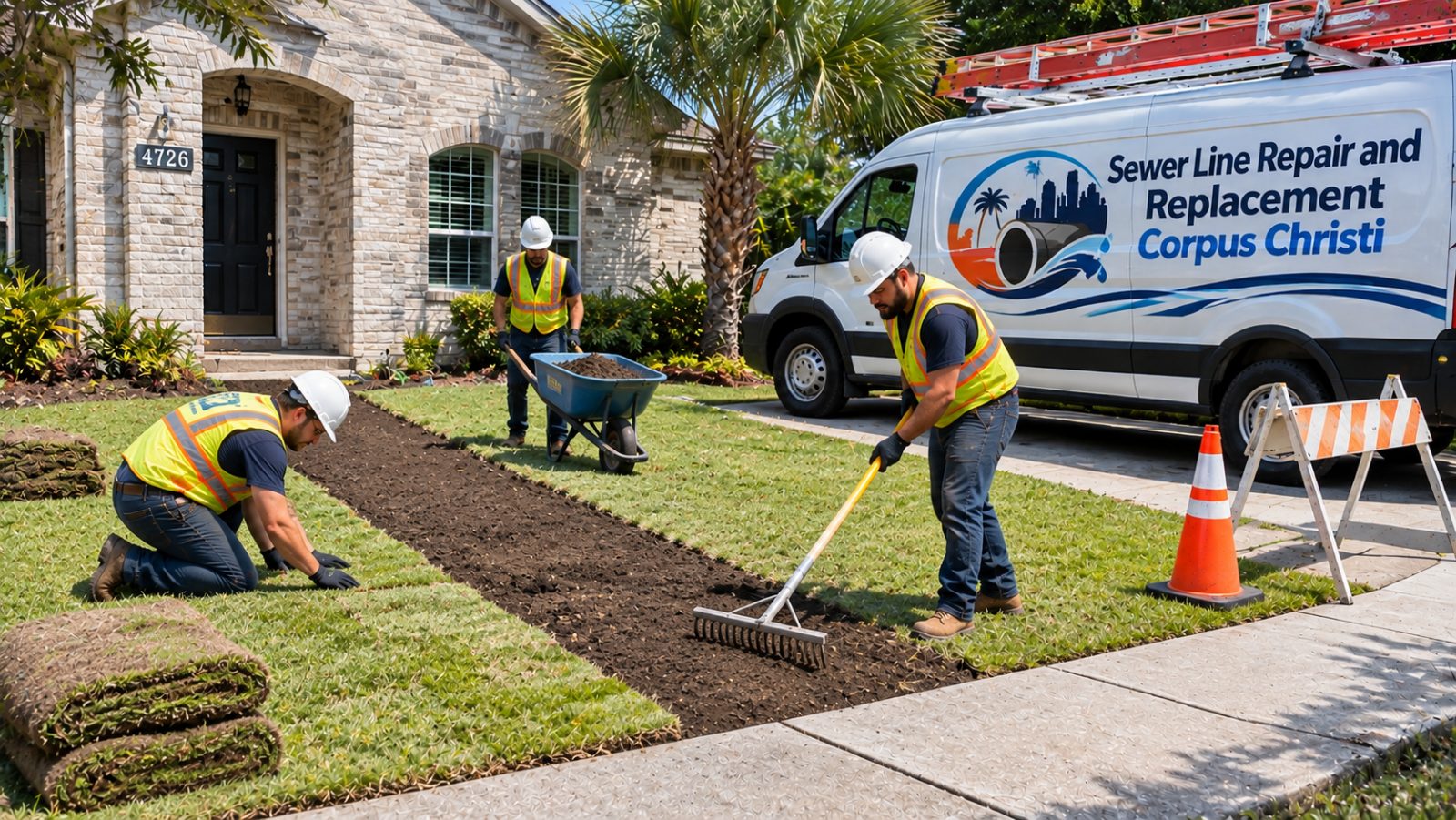
Install the planned sewer line sections and make the necessary connections.
Evaluate the finished work using appropriate inspection and testing procedures.