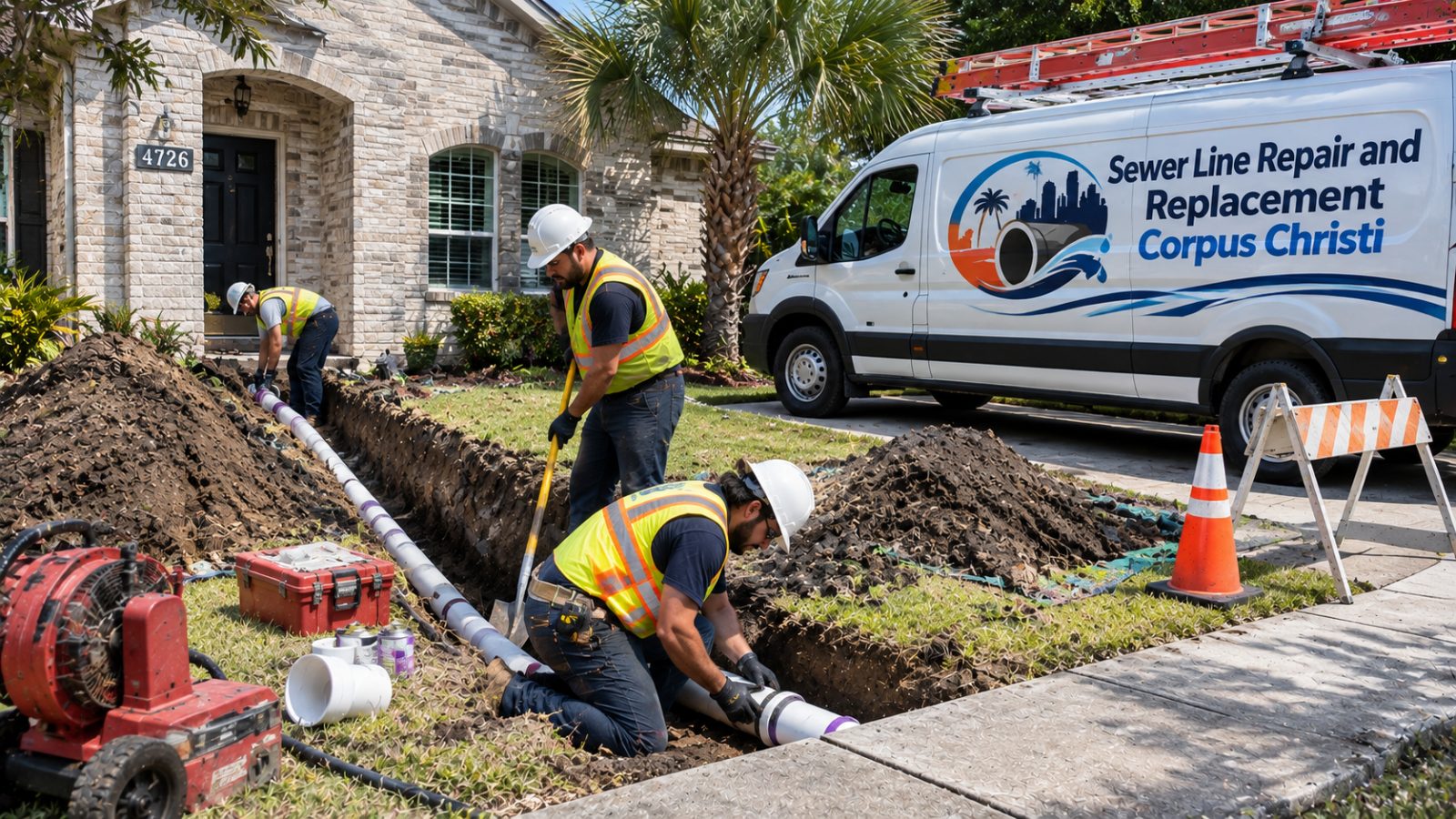
Less-Disruptive Sewer Repair Options
Trenchless Sewer Repair in Corpus Christi, TX
Ask whether your damaged sewer pipe may qualify for trenchless repair. Get a Free Estimate
Less-Disruptive Sewer Repair Options
Ask whether your damaged sewer pipe may qualify for trenchless repair. Get a Free Estimate
Traditional sewer repairs sometimes require digging along the damaged pipe. When a line runs beneath a driveway, patio, walkway, or established landscaping, that excavation can be a major concern. Trenchless sewer repair offers alternatives for certain pipe conditions by using existing access points or smaller excavation areas.
Not every sewer line qualifies for trenchless work. A severely collapsed pipe, significant sag, major misalignment, or unsuitable pipe condition may require conventional excavation. We focus on explaining what trenchless methods can accomplish and where their limitations matter.
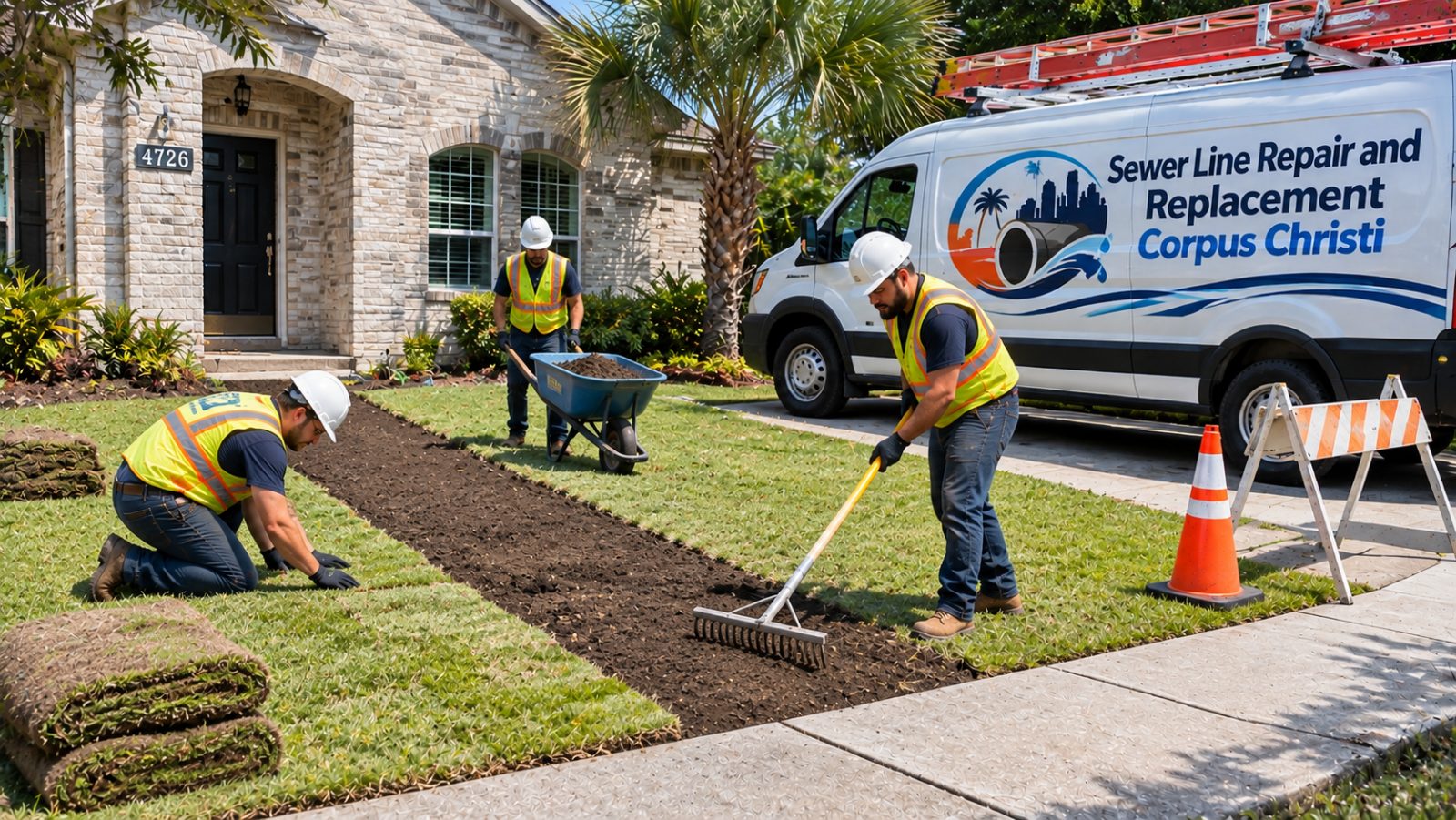
The right trenchless method depends on the existing pipe structure, the type of defect, available access, and the intended repair outcome.
Pipe lining creates a new interior surface within an existing sewer pipe. Depending on the system and pipe conditions, a resin-saturated liner is inserted and cured to form a continuous interior pipe. This approach may address certain cracks, joint defects, and leaks without exposing the entire pipe run. The existing line must be suitable for lining, and preparation is important. Cleaning, inspection, access, and the condition of the host pipe all influence whether this method is appropriate.
Pipe bursting is a replacement method that breaks or displaces the existing pipe while pulling a new pipe into the same general path. It can reduce the need for a continuous open trench, although access pits and other excavation may still be required. Suitability depends on factors such as pipe material, surrounding utilities, alignment, and site conditions. It is not a universal solution for every damaged sewer line.
A camera inspection helps reveal the internal condition of a sewer pipe before trenchless work is considered. The inspection may show cracks, roots, displaced joints, obstructions, or areas where the pipe has lost its shape. Camera footage provides important evidence, but it does not always establish every external condition. Pipe depth, access, and underground utility locations may also need evaluation.
Trenchless methods generally require a reasonably clear pathway through the existing pipe. Roots, scale, grease, and other obstructions may need to be removed before further evaluation or installation. Preparation also helps reveal whether the pipe is structurally suitable. A line that appears blocked may contain damage that changes the recommended repair method.
Trenchless repair does not eliminate digging in every situation. Access pits, connection work, severely damaged sections, and changes in pipe grade can require excavation. A substantial belly or collapse may prevent a liner from providing a functional repair. We believe these limitations should be discussed early so property owners understand the likely scope of work before choosing a method.
| Service | Estimated Cost | Average |
|---|
No prices or ranges are provided. Trenchless suitability and project scope require evaluation of the existing pipe, access points, and site conditions.
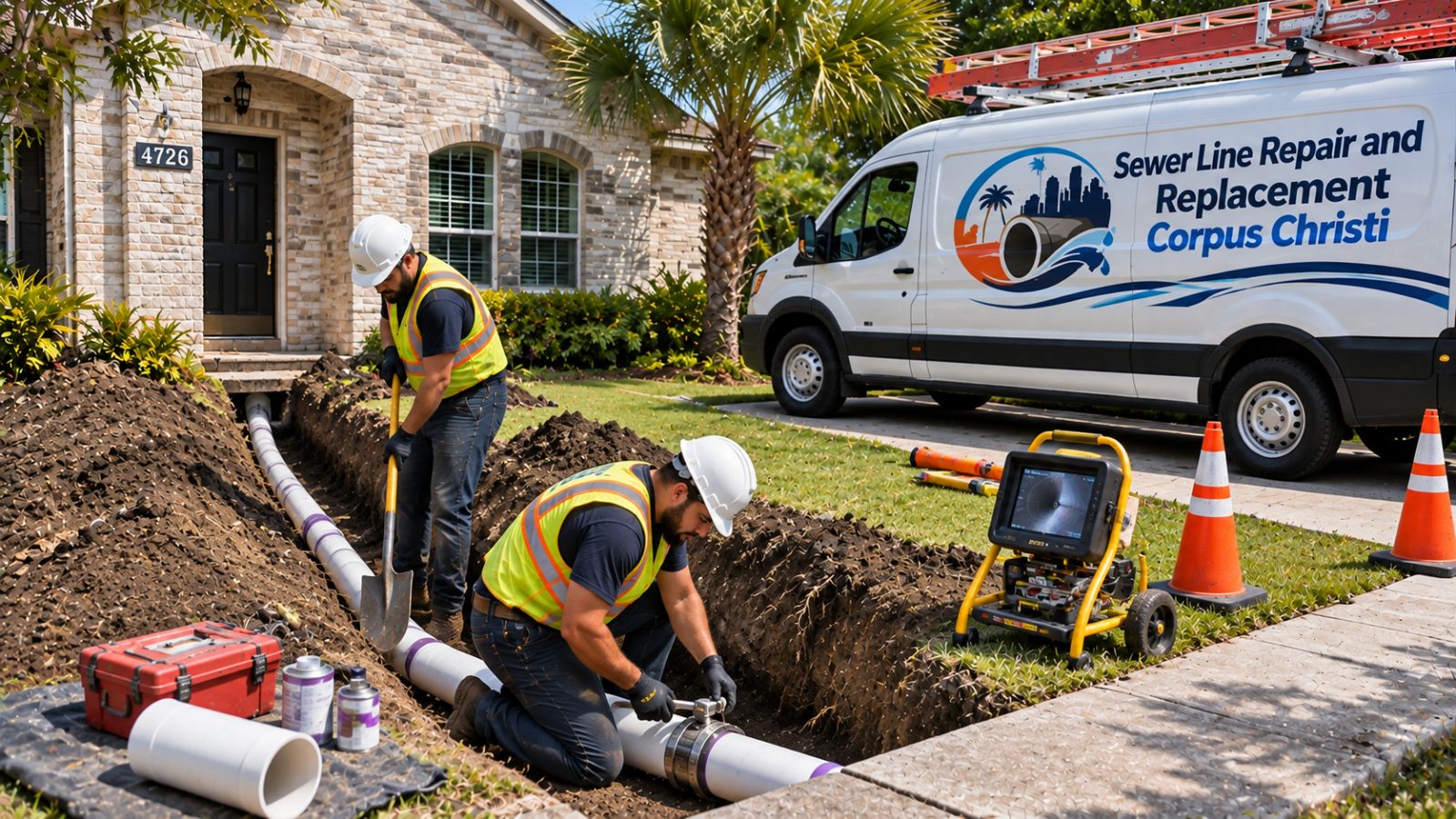
We consider how pipe access and repair methods may affect existing outdoor improvements.
We do not assume trenchless methods will work for every damaged sewer pipe.
We explain how trenchless options differ from conventional excavation and what each may involve.
Want to protect your driveway or landscaping from unnecessary excavation? Ask about trenchless sewer repair options.
Free — no obligations
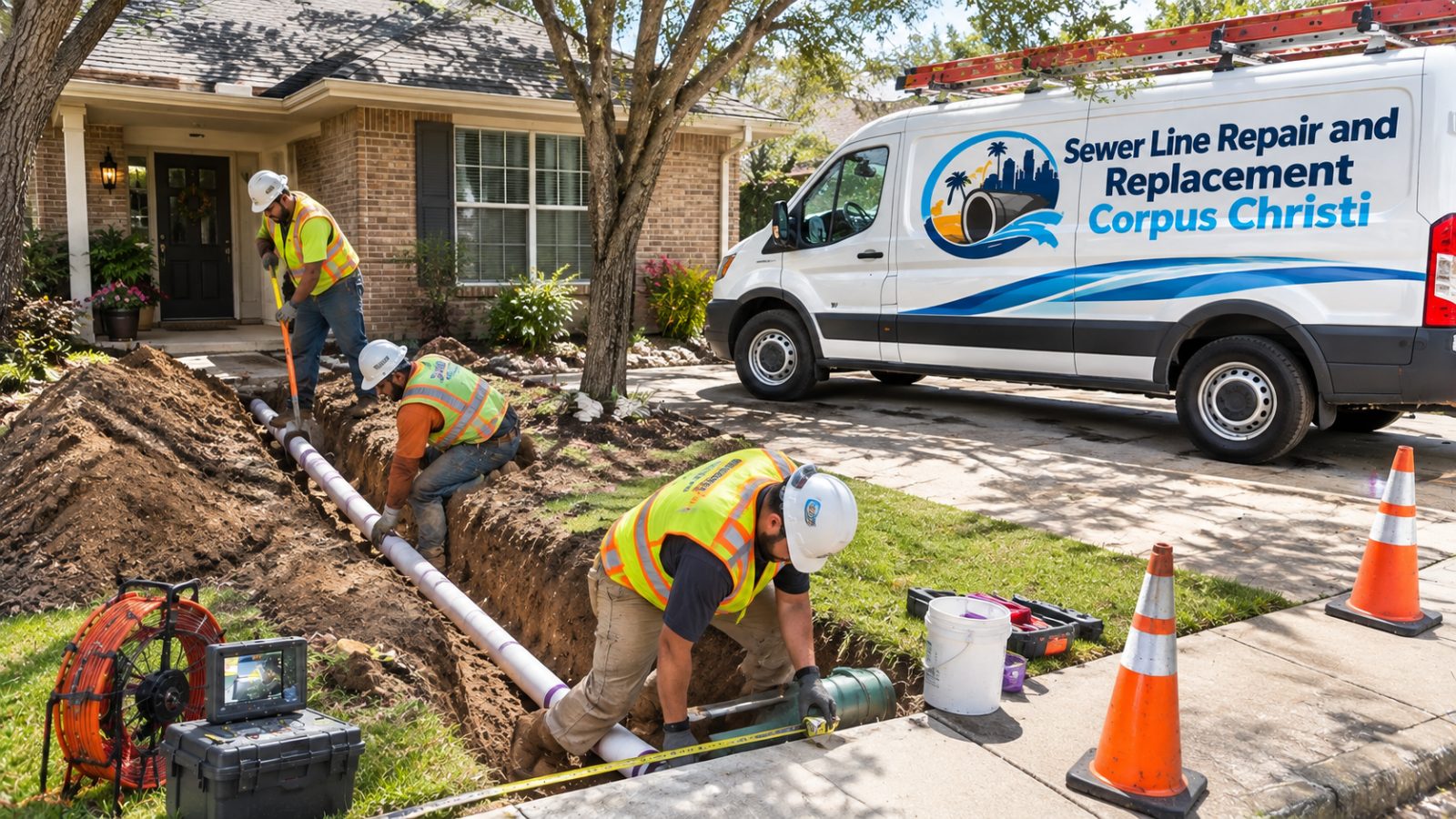
Identify the likely pipe route, access points, surface obstacles, and reported drainage problems.
Evaluate internal damage and determine whether the existing line may support a trenchless method.
Discuss lining, bursting, or conventional repair based on the findings.
Determine what excavation, preparation, and connection work may be necessary.
Use appropriate checks to evaluate the completed sewer repair or replacement.